23rd Conference on Detection of Intrusions and Malware & Vulnerability Assessment (DIMVA '26)
July 1 to 3, 2026 at Chania, Greece
Registration
Registration will be open until June 24, 23:59.
At least one registration fee must be paid for each accepted paper. Papers without registered author(s) will be withdrawn from the program.
The registration fee includes admission to all DIMVA 2026 sessions, selected meals and welcome reception, dinner and social event throughout the official event July 1 – July 3. You will be charged in EUR as stated below.
Early ticket: €380
Late ticket (starting June 1st till June 24): €460
Please register for the conference here.
A payment link will be sent to you by email after you submit the form. Please check your inbox (and spam/junk folder) for the message. Once your payment has been successfully processed, you will receive a registration confirmation email.Visa invitation letters can only be issued after completion of conference registration and payment. During the registration process, please indicate that you require a visa invitation letter and provide the necessary information when prompted. Once your registration and payment are confirmed, the letter will be issued and emailed within 1–2 business days.
Please note: On-site registration is not possible!
Requests for cancellation and refunds must be received no later than June, 1, 2026. No refunds will be processed after this date.
The registration fee does not include accommodation - please book your accommodation separately.
Please also have a look at our terms of participation and our privacy notice.
If you have any questions, please contact the general chairs.Conference Program
Wednesday, July 1: Day 0
Meeting Point and Bus Departure to Welcome Events
Welcome events: Wine Tasting and Seaside Dinner
Join us for a visit to Agia Triada of Tsagarolon for wine tasting, followed by a seaside dinner at Loukoulos restaurant in Marathi. This is a great opportunity to get to know the other conference attendees and to recover from any travel fatigue. Please join us at this meeting point.
As the events will be held outside the city of Chania, please arrive at the meeting point no later than 12:50, as buses will depart promptly at 13:00 and it will not be possible to join later.
Wine Tasting in Agia Triada of Tsagarolon
Enjoy a wine tasting experience at the historic Agia Triada of Tsagarolon Monastery, featuring locally produced wines from its vineyards in the Akrotiri region of Chania.
We will depart from Agia Triada at 16:00 and travel by bus to Marathi. Once we reach Marathi (30 minutes drive) you can indulge in a relaxing seaside experience.
Dinner at Loukoulos Restaurant in Marathi
Loukoulos is a seaside restaurant in Marathi, Chania, offering fresh Cretan cuisine in a relaxed beachfront setting.
Bus Return to Chania
Thursday, July 2: Day 1 @ Grand Arsenal (Center of Mediterranean Architecture)
Registration
Chair's welcome to DIMVA'26
Session 1
Coffee break
Session 2
Lunch
Sessions 3 & 4
Coffee break
Coffee break and poster setting up.
Session 5
Poster Session
Dinner @ Canale
Canale is a stylish seaside restaurant in Chania’s Old Town, offering Cretan cuisine and fresh seafood.
Friday, July 3: Day 2 @ Grand Arsenal (Center of Mediterranean Architecture)
Keynote
Coffee break
Session 6
Lunch
Sessions 7 & 8
Coffee break
Sessions 9 & 10
Closing notes and good bye
Call for Papers
Important Dates (AoE)
- Cycle 1:
-
Submission:
03 December 202510 December 2025 (extended!) - Notification (accept/reject): 27 January 2026
- Submission Site: https://dimva26r1.hotcrp.com/
-
Submission:
- Cycle 2:
-
Submission:
11 February 202618 February 2026 (extended!) - Notification (accept/reject): 03 April 2026
- Submission Site: https://dimva26r2.hotcrp.com/
-
Submission:
- Camera ready deadline: 28 May 2026
- Conference: 1-3 July 2026
Conference Registration
To be included in the proceedings, every accepted paper requires a general registration and in-person presentation. Registration payment must be completed before the camera-ready deadline. Registration will open around mid April.
General Information
The annual DIMVA conference serves as a premier forum for advancing the state of the art in the broader areas of intrusion detection, malware analysis, and vulnerability assessment. Each year, DIMVA brings together international experts from academia, industry, and government to present and discuss novel research in these areas. DIMVA is organized by the special interest group Security – Intrusion Detection and Response (SIDAR) of the German Informatics Society (GI). The conference proceedings will appear in the Springer Lecture Notes in Computer Science (LNCS) series.
Topics of Interest
DIMVA solicits submissions of high-quality, original scientific papers presenting novel research on malware analysis, intrusion detection, vulnerability assessment, and related systems security topics.
Topics of interest include, but are not limited to:
Intrusions
- Novel approaches and domains
- Insider detection
- Prevention and response
- Data leakage, exfiltration, and poisoning
- Result correlation and cooperation
- Evasion and other attacks
- Potentials and limitation
- Operational experiences
- Privacy, legal, and social aspects
- Targeted attacks
- Analysis or detection of cryptocurrency heists
Malware
- Automated analyses
- Behavioral models
- Prevention and containment
- Classification
- Lineage
- Forensics and recovery
- Underground economy
- Vulnerabilities in malware
- Financially targeted malware (e.g., ransomware, DeFi)
Vulnerability detection
- Vulnerability prevention
- Vulnerability analysis
- Exploitation and defenses
- Hardware vulnerabilities
- Situational awareness
- Active probing
- Vulnerabilities in decentralized systems
Papers will be judged on novelty, significance, correctness, and clarity. We expect all papers to provide enough details to enable reproducibility of the experimental results. We encourage papers that bridge research in different communities. We also welcome experience papers that clearly articulate lessons learnt.
Types of Submissions Solicited
DIMVA solicits full papers presenting novel and mature research results. Papers are limited to 25 pages total in Springer LNCS format, with a maximum of 18 pages for the main paper content, 5 pages for the bibliography, and 2 pages for appendices. For the initial submission, authors are encouraged to start the bibliography and appendices, if any, each on a new page.
Papers that do not follow the above formatting guidelines may be rejected without review. Authors are not allowed to resubmit rejected Cycle 1 papers (including desk-rejects) to Cycle 2.
Submission Guidelines
DIMVA 2026 will adopt a double-blind reviewing process. All submissions should be appropriately anonymized. Author names and affiliations must be excluded from the paper. Furthermore, authors should avoid obvious self-references, and should cite their own previous work in third person, whenever necessary. Papers that are not properly anonymized risk being rejected without review.
Submissions must be original work and may not be under submission to another venue at the time of review. At least one author of each accepted paper is required to physically present the submitted work at the conference, for the paper to be included in the proceedings.
Authors are encouraged to submit artifacts (e.g., code, datasets) appropriately anonymized, using, e.g., https://anonymous.4open.science/.
Use of Generative AI
The role of AI in research is rapidly evolving, and our community must approach its use with clarity and integrity. Authors may employ generative AI tools (e.g., LLMs) as part of a defined research methodology, to improve the presentation of their manuscript, and to produce artifacts that the authors subsequently verify for correctness. However, it is not acceptable to delegate the creation of research content or the writing of the paper to generative AI tools, nor to present artifacts or analyses generated by such tools without independent verification. In cases not explicitly covered above, authors must disclose the use of generative AI tools at the time of submission, with a level of detail proportional to the extent of text or content generated.
Ethical considerations
Research can potentially lead to adverse outcomes. Individuals or organizations may experience negative consequences during the research process, immediately following publication, or in the future. Authors must proactively anticipate and address potential negative consequences of both conducting and publishing their research. Submissions may be rejected regardless of scientific merit if they fail to adequately address ethical concerns. If a paper relates to human subjects, analyzes data derived from human subjects, may put humans at risk, or might have other ethical implications, authors should disclose if an ethics review (e.g., IRB approval) was conducted, and discuss in the paper how ethical and legal concerns were addressed. IRB exemptions may not be sufficient grounds for proper mitigation of ethical concerns. If the paper reports a potentially high-impact vulnerability, the authors should report or at least discuss their plan for responsible disclosure. The chairs will contact the authors in case of concerns.
If you have any questions, please contact the program chairs at pc-chairs@dimva.org.
Call for Posters
Important Dates (AoE)
- Rolling Submission Period: 27 January 2026 - 27 April 2026
- Notification: Rolling, as submissions are reviewed
- Camera-ready: 28 May 2026
- Poster titles must begin with “Poster:”.
- Authors of papers accepted to the main conference must not submit posters based on those papers. This restriction is intended to ensure the poster session highlights work not already appearing in full form in the conference.
Submission Guidelines
Review Process
Committee
Program chairs (email: pc-chairs@dimva.org)
- Chair Veelasha Moonsamy (Ruhr University Bochum)
- Co-chair Daniele Cono D'Elia (Sapienza University of Rome)
Program committee
- Advait Patel, Broadcom
- Aisha Ali-Gombe, Louisiana State University
- Alexandre Bartel, Umeå University
- Amin Kharraz, Florida International University
- Andrea Continella, University of Twente
- Andrea Mambretti, IBM Research Europe - Zurich
- Andrea Oliveri, EURECOM
- Anita Nikolich, UIUC
- Arash Shaghaghi, The University of New South Wales
- Bart Coppens, Ghent University
- Behzad Ousat, Florida International University
- Bhupendra Acharya, University of Louisiana at Lafayette
- Daniel Arp, TU Wien
- Daniel Gruss, Graz University of Technology
- Dario Stabili, University of Modena and Reggio Emilia
- David Klein, Technische Universität Braunschweig
- Edlira Dushku, Aalborg University
- Emilio Coppa, LUISS University
- Fabio Gritti, UC Santa Barbara
- Flavio Toffalini, Ruhr University Bochum
- Gertjan Franken, KU Leuven
- Giovanni Apruzzese, University of Liechtenstein
- Jason Polakis, University of Illinois at Chicago
- Jo Van Bulck, KU Leuven
- Johanna Ullrich, University of Vienna
- Mannat Kaur, Max Planck Institute for Informatics
- Manuel Egele, Boston University
- Marco Balduzzi, Trend Micro Research
- Marco Cova, Wiz
- Marcus Botacin, Texas A&M University
- Mathias Fischer, University of Hamburg
- Maximilian Noppel, Karlsruhe Institute of Technology
- Michael Meier, University of Bonn and Fraunhofer FKIE
- Michael Schwarz, CISPA Helmholtz Center for Information Security
- Michalis Diamantaris, Technical University of Crete
- Michele Carminati, Politecnico di Milano
- Min Chen, Vrije Universiteit Amsterdam
- Moritz Schloegel, Arizona State University
- Muhammad Ibrahim, Georgia Tech
- Prashast Srivastava, AWS
- Ricardo J. Rodríguez, Universidad de Zaragoza
- Roland Yap, National University of Singapore
- Seungwon Shin, KAIST
- Simon Koch, University of Innsbruck
- Stefano Zanero, Politecnico di Milano
- Stijn Volckaert, KU Leuven
- Sven Dietrich, City University of New York
- Tapti Palit, UC Davis
- Tiago Heinrich, Max Planck Institute for Informatics
- Vasileios Kemerlis, Brown University
- Vinod Yegneswaran, SRI
- Yuqing Yang, CISPA Helmholz Center for Information Security
- Yuseok Jeon, Korea University
- Zion Basque, Arizona State University
Publication chair
- Michele Carminati (Politecnico di Milano)
Poster co-chairs (email: Poster co-chairs)
- Tarini Saka (Ruhr University Bochum) - tarini.saka@ruhr-uni-bochum.de
- Mateo Marini (Sapienza University of Rome) - m.marini@diag.uniroma1.it
General chairs
- Chair Sotiris Ioannidis (Technical University of Crete) - sioannidis@tuc.gr
- Co-chair Michalis Diamantaris (Technical University of Crete) - mdiamantaris@tuc.gr
Publicity chair
- Konstantinos Spyridakis (Technical University of Crete)
Steering committee
- Sven Dietrich (co-chair)
- Ulrich Flegel (co-chair)
- Michael Meier (co-chair)
- Michele Caminati
- Lorenzo Cavallaro
- Manuel Egele
- Mathias Fischer
- Giorgio Giacinto
- Daniel Gruss
- Federico Maggi
- Mathias Payer
Venue: Grand Arsenal (Center of Mediterranean Architecture)
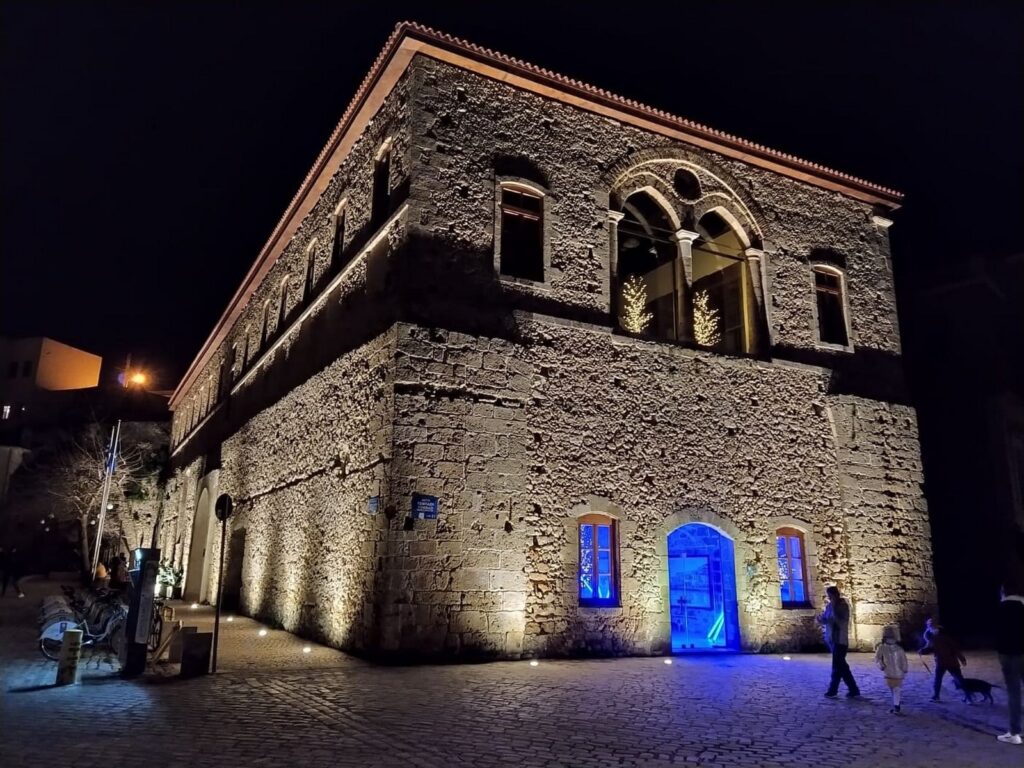
The Grand Arsenal is the last of the 17 Neoria to the west. Its construction started in 1585 by the Intendant Alvise Grimani. A new era began for the Grand Arsenal with the addition of the second floor, in 1872, during the Ottoman era. The building hosted several important public services and authorities. From a roofless, abandoned site, today the building has given a second chance to life by being converted into a remarkable multipurpose space for events and expositions. After its restoration in 2002, it is now the Center of Mediterranean Architecture, hosting important cultural events, scientific and political symposiums, artistic exhibitions, international venues with special emphasis on architecture.
Address: Akti Enoseos & Georgios Katechakis Square (View Location on Google Maps)
Travel Information
By Plane
Chania Airport (CHQ) – Ioannis Daskalogiannis
BUS (KTEL)
The most inexpensive way to leave the airport of Chania is by taking a KTEL bus. Fare 2-3 EUR, The station is located outside the building, and you may purchase your tickets beforehand or directly from the bus driver. Bus final destination is the central bus station of Chania. Then you can walk to the venue (approximately 15 minutes, 1.1km) or take a taxi.
- Fare: EUR 2-3
- Duration: 20 minutes
- Walk: 10 minutes from the central bus station to the venue
- Frequency: Every 30 minutes
TAXI
Otherwise, the simplest way to get to Chania center is to take a taxi from Chania International Airport (CHQ), Ioannis Daskalogiannis. The fare for reaching the Chania center is approximately EUR 27 and the journey takes around 25 minutes.
Tip: Taxi stands are always available. However, if you prefer to leave the premises immediately, you may book a transfer service in advance. You can also arrange a pick-up with local drivers.
Hotels
The Chania Hotel
Address:
1866 Square, Chania
Contact:
+00800 161 2203 0036,
+30 28210 90002
Email:
info@thechaniahotel.com
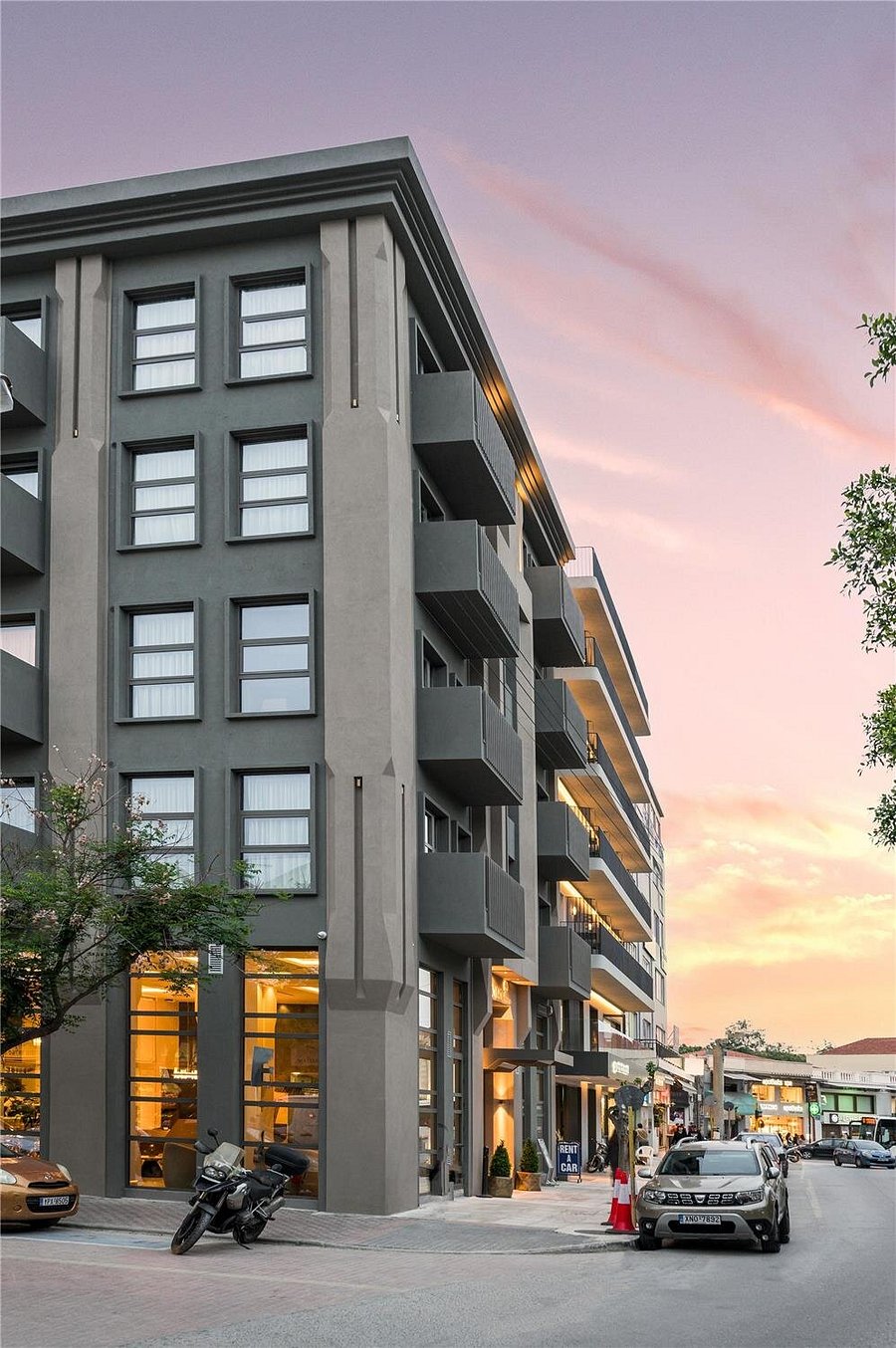
Porto Veneziano Hotel
Address:
Akti Enoseos, Chania (Old Venetian Harbour)
Contact:
+30 28210 27100
Email:
hotel@portoveneziano.gr
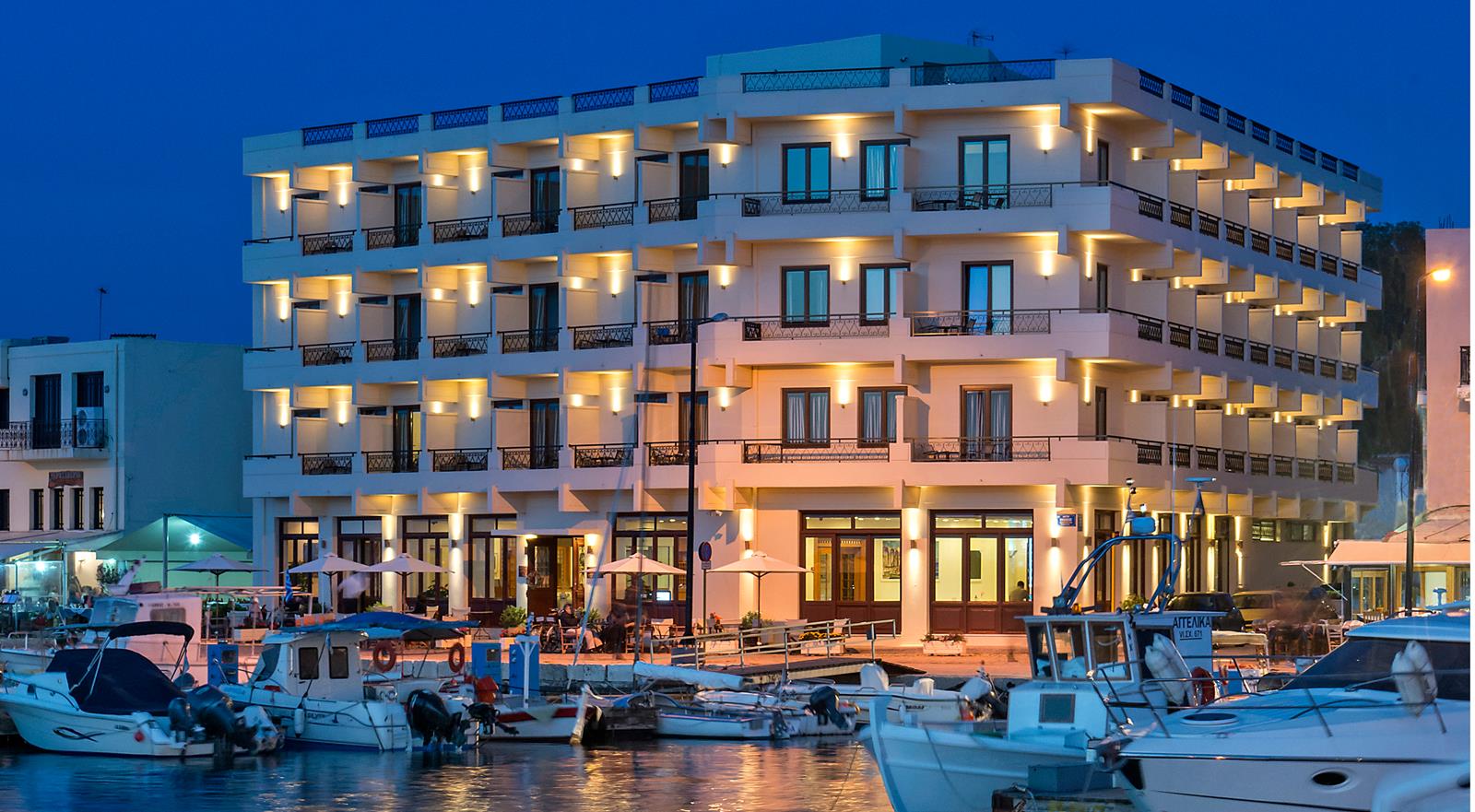
Civitel Akali
Address:
Kissamou 55, Chania
Contact:
+30 28210 92872
Email:
reservations@akali-hotel.gr
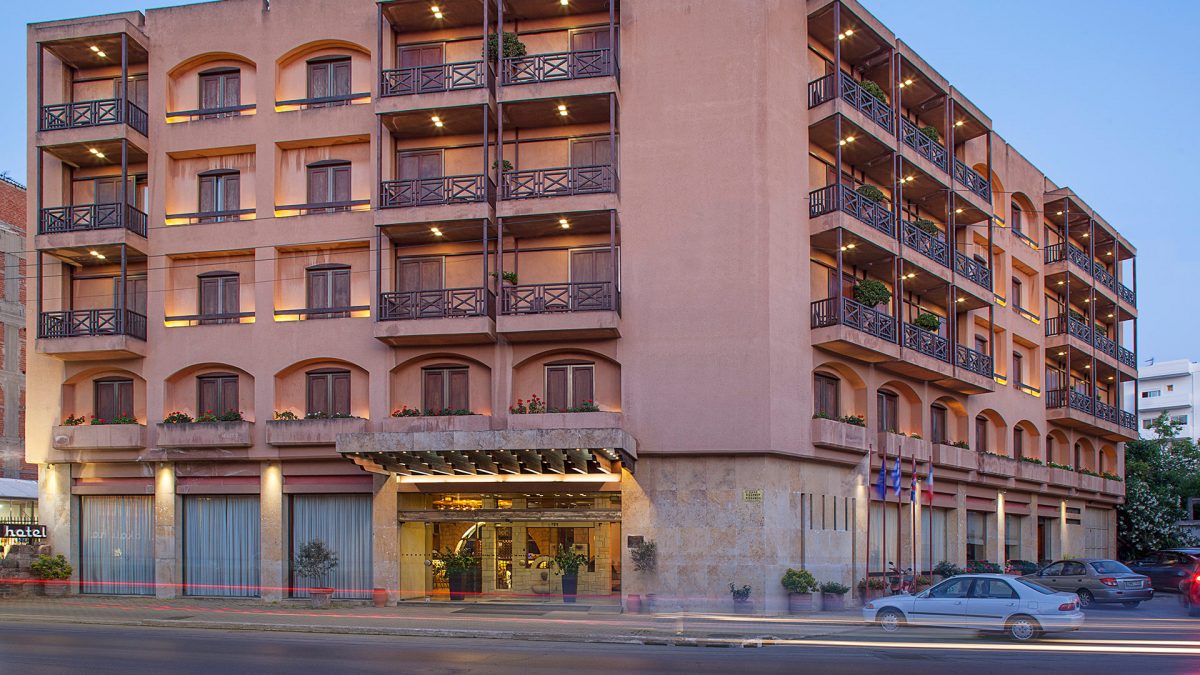
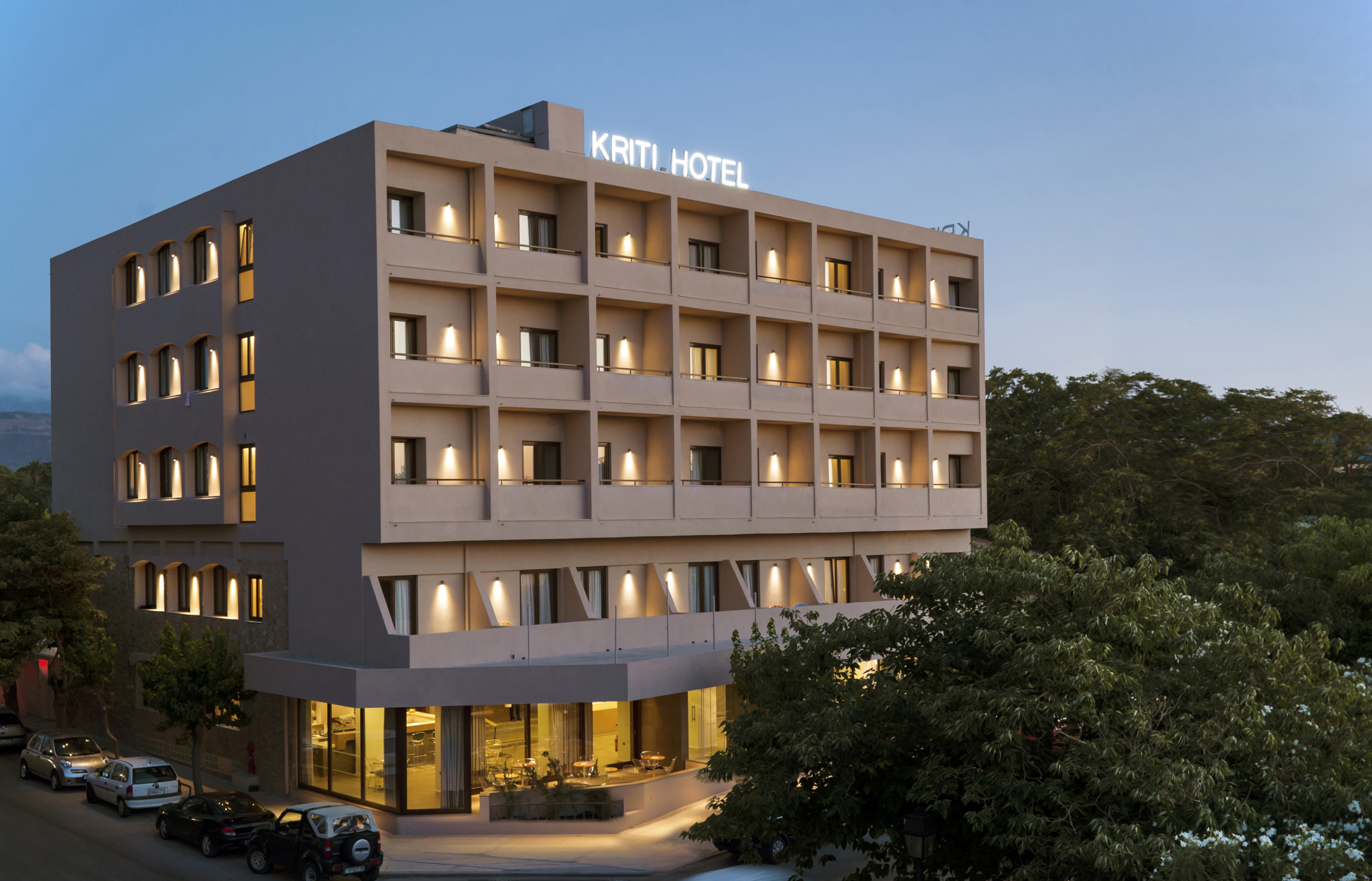
Kriti Hotel
Address:
Nikiforou Foka & Kiprou , Chania
Contact:
+30 28210 51881
Email:
info@kriti-hotel.gr
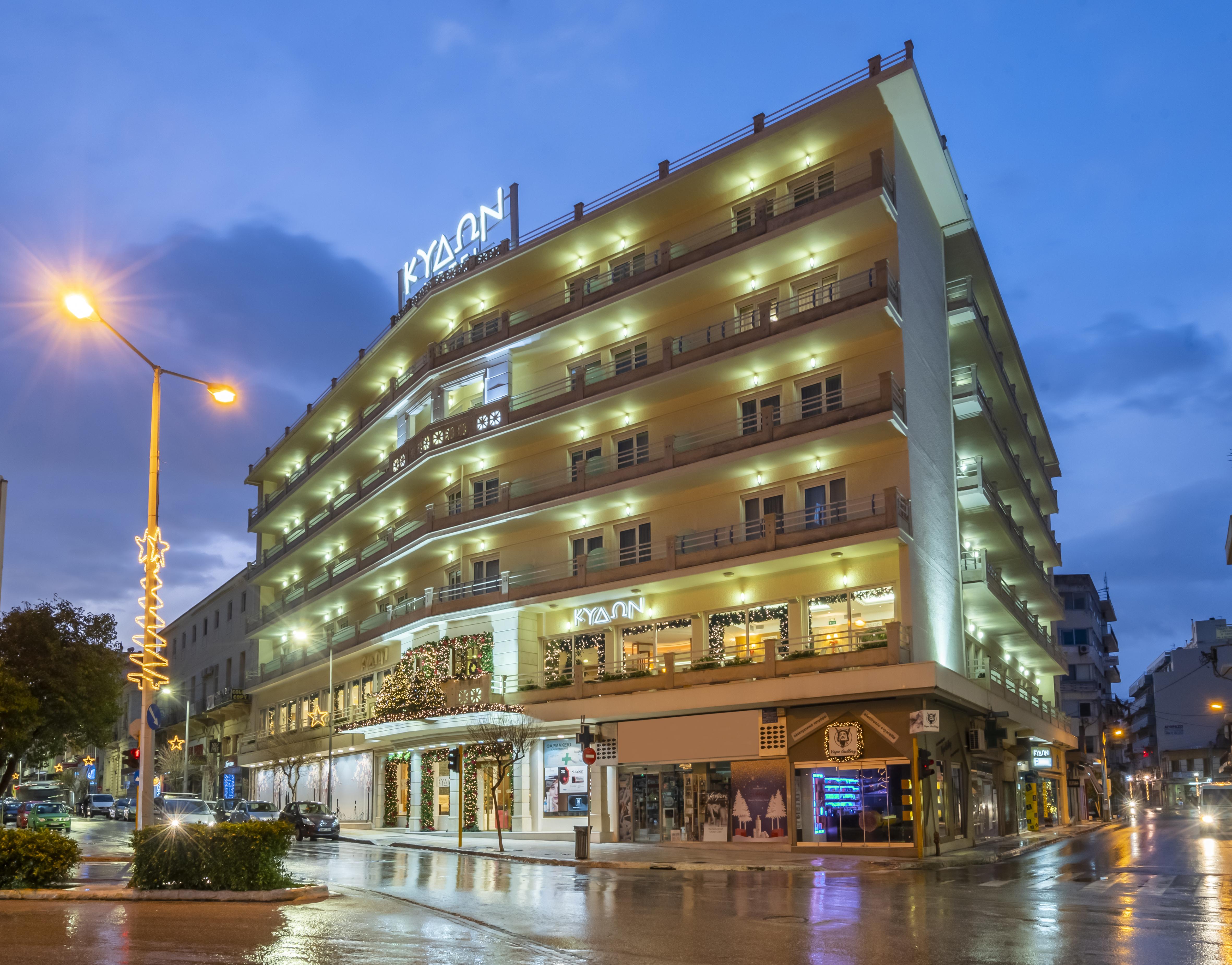
Kydon Hotel
Address:
Sofokli Venizelou Sq. & 2, Str. Tzanakaki , Chania
Contact:
+30 28210 52280
Email:
info@kydonhotel.com
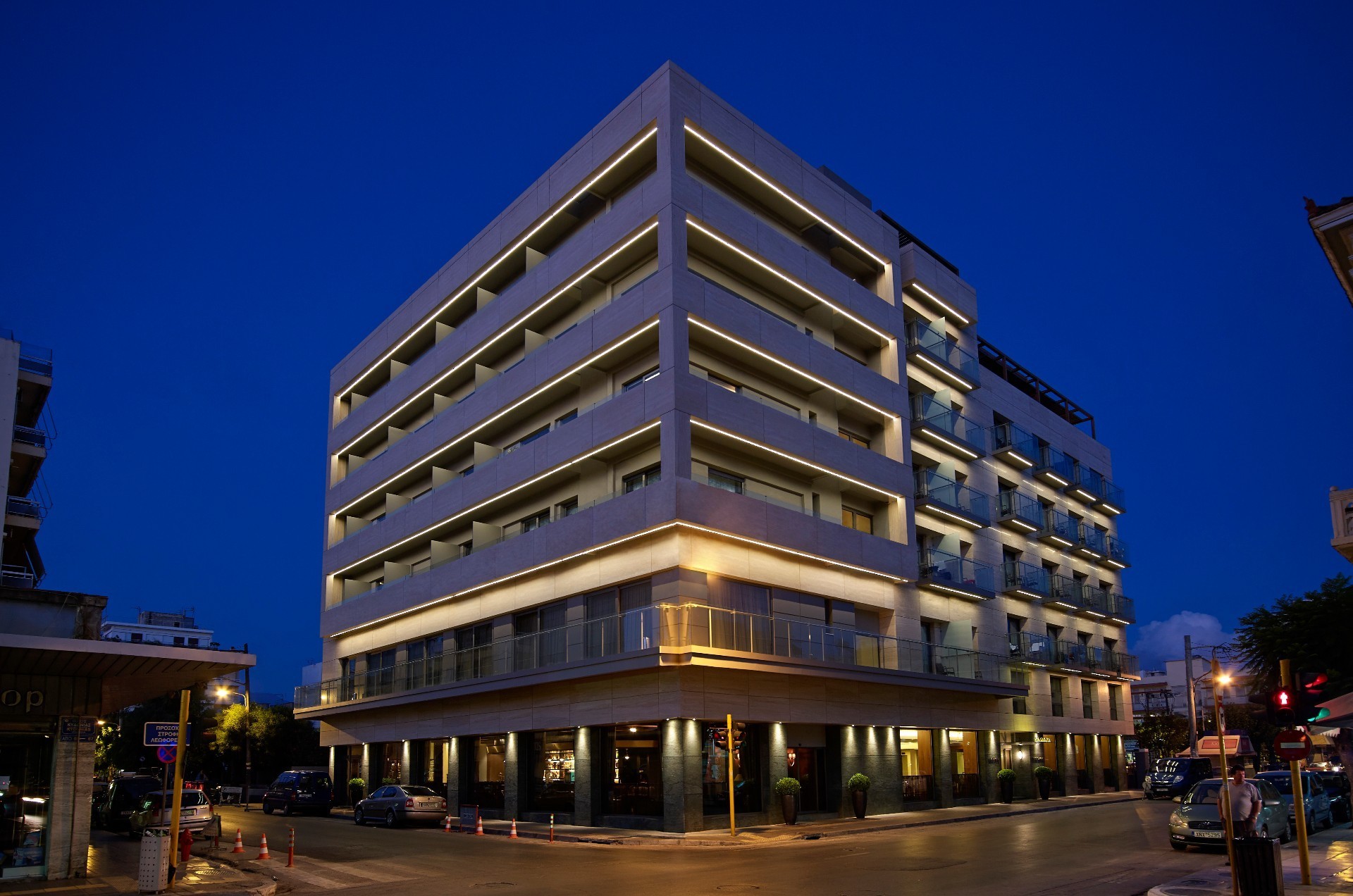
Samaria Hotel
Address:
69th Kidonias street, Chania
Contact:
+30 28210 38600
Email:
info@samariahotel.gr
Content Responsibility and Admin
Sotiris Ioannidis
Technical University of Crete
Akrotiri Campus
731 00 Chania, Greece
Telephone: +30 28210 37344
E-Mail: sioannidis@tuc.gr
Privacy Policy
Processing of your personal data when you visit this website
When visiting this website, we do not store any personal data. Your IP address is processed solely to the extent required for the technical delivery of the web content. Depending on your browser configuration, additional information such as browser type, version, operating system, and referrer URL may also be transmitted. This data is used exclusively to ensure the proper and optimized presentation of the website. No further processing of personal data is carried out, and all transmitted data is deleted immediately after use.
Cookies
This website does not use cookies.
Server log files
This website does not save temporary logs.
External resources
All pictures, fonts, and additional resources are retrieved solely from our server, so that your visit to our website does not leave any traces at third parties.